Released in 2014, Mega Fortune Dreams was the much anticipated sequal to NetEnt’s famous Mega Fortune slot (launched back in 2009). Just like Mega Fortune…


Learn more about online slots.
Here you can read about the best slot machines from NetEntertainment, MicroGaming, NexGen, RabCat, IGT and many other developers. We regularely add new slot machines and our goal is to cover as many slots as possible. We are not affiliate with any online casino and do not make any money from this website. We run this website because we love slots. Not for financial gain. If you want to know where you can play these slots then I recommend that you vist this website that reviews casinos and list their latest bonuses.

Released in 2014, Mega Fortune Dreams was the much anticipated sequal to NetEnt’s famous Mega Fortune slot (launched back in 2009). Just like Mega Fortune…
Released back in 2009, the Mega Fortune slot from NetEnt is today one of the most famous slots online since many of the largest progressive…
This is a quirky little slot from NextGen where we get to know two upperclass foxes who are enjoying the sweet life in their elegant…
As the name suggests, this IGT slot from 2015 is based on Seth McFarlane’s popular TV-show Family Guy. Many characters from the show make an…
The theme for the NetEnt slot Elements: The Awakening is the ancient Greek idea of how the world consists of four elements: Earth, Wind (Air),…
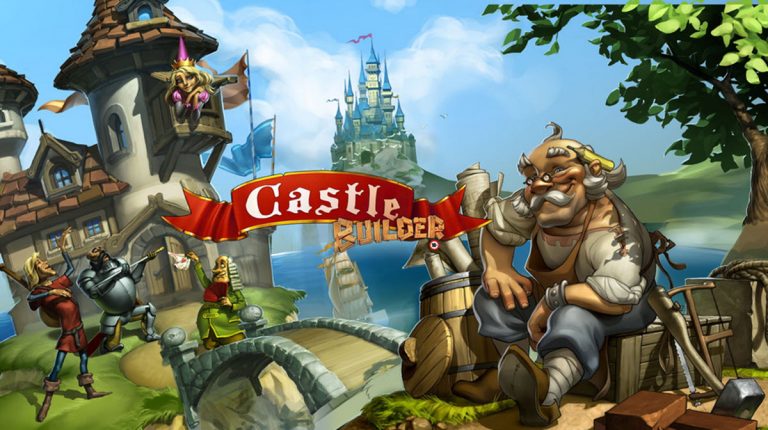
Castle Builder from the small game studio Rabcat and is definitiely something out of the ordinary. The theme is castle building, and as you play,…
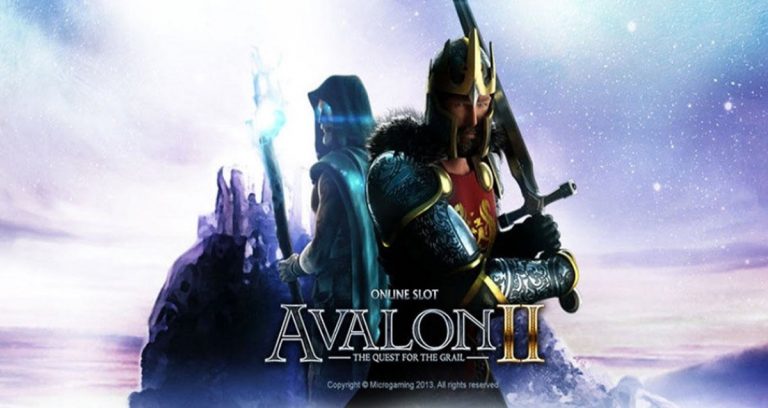
Released in 2014, Avalon II – The Quest for the Grail is a sequel to the classic 2006 Avalon slot from Microgaming. Both slots are…
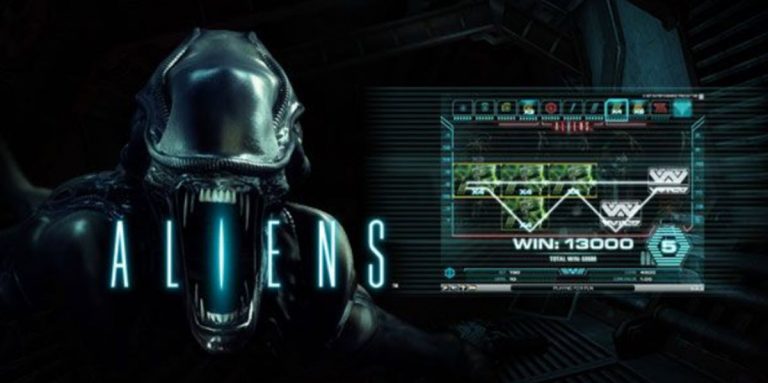
This NetEnt slot is based on the famous 1986 movie Aliens, where Ellen Ripley (played by Sigourney Weaver) battles a very dangerous alien lifeform. The…

This is a slot machine from NetEnt where you get to select if you want traditional paylines or 243 winning possibilities. The theme is robots…

Hall of Gods is a progressive jackpot slot from the Swedish game developer NetEnt. It is one of the most famous of the progressiva jackpot…